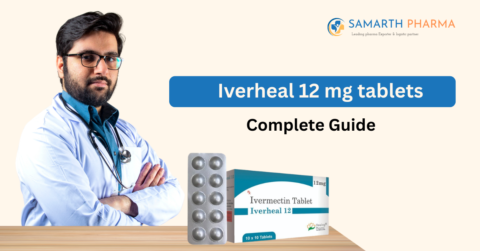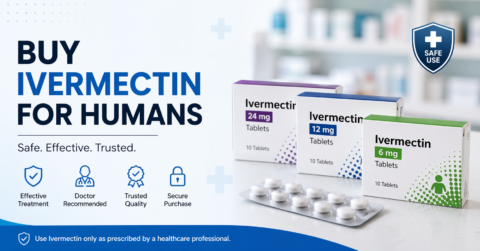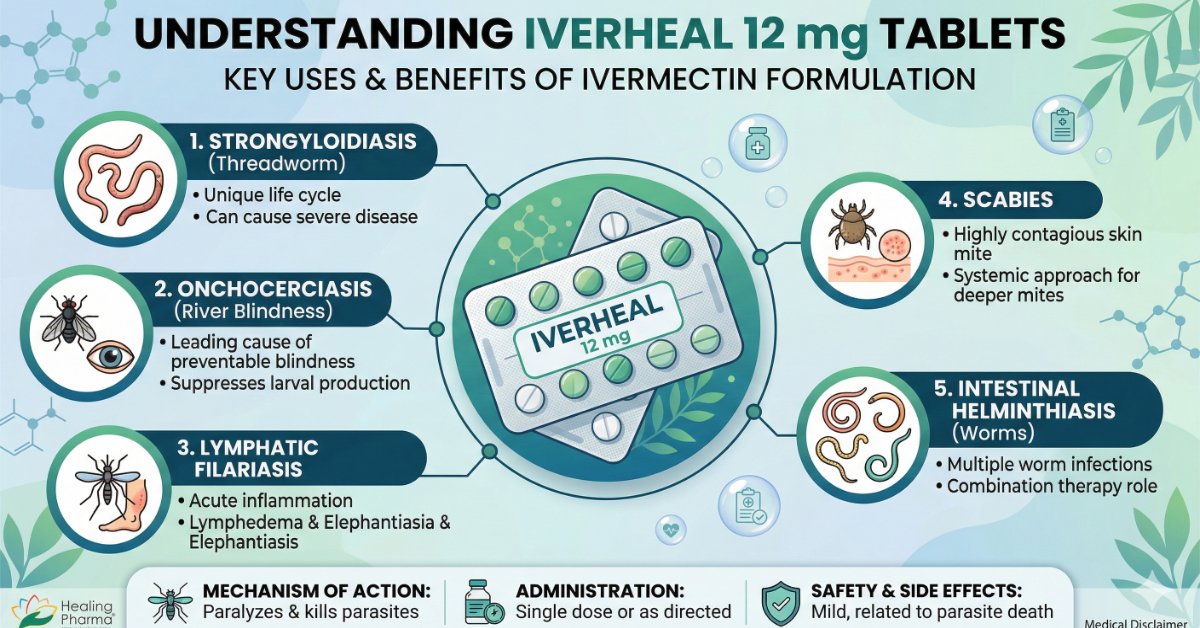
Iverheal 12 mg tablet is a medicine that contains ivermectin as its main ingredient. It is made by Healing Pharma. Ivermectin is a well-known medicine used to treat infections caused by parasites, and doctors have been using it safely for many years.
This medicine belongs to a group of drugs called avermectins. It works by attacking the nervous system of parasites. Basically, it blocks certain signals in the parasite’s body, which causes paralysis and eventually kills them. This helps remove the infection from the body.
At first, ivermectin was mainly used for animals, but later it was approved for use in humans by the U.S. FDA. It is also included in the World Health Organization’s list of essential medicines, which means it is considered very important for basic healthcare around the world.
Iverheal 12 mg is commonly used to treat different types of parasitic infections, especially in areas where these infections are more common, like tropical and subtropical regions.
In this article, we will look at the top five conditions that this medicine is used for. We’ll also explain how it works, the symptoms of each condition, how it is taken, and important safety tips you should know.
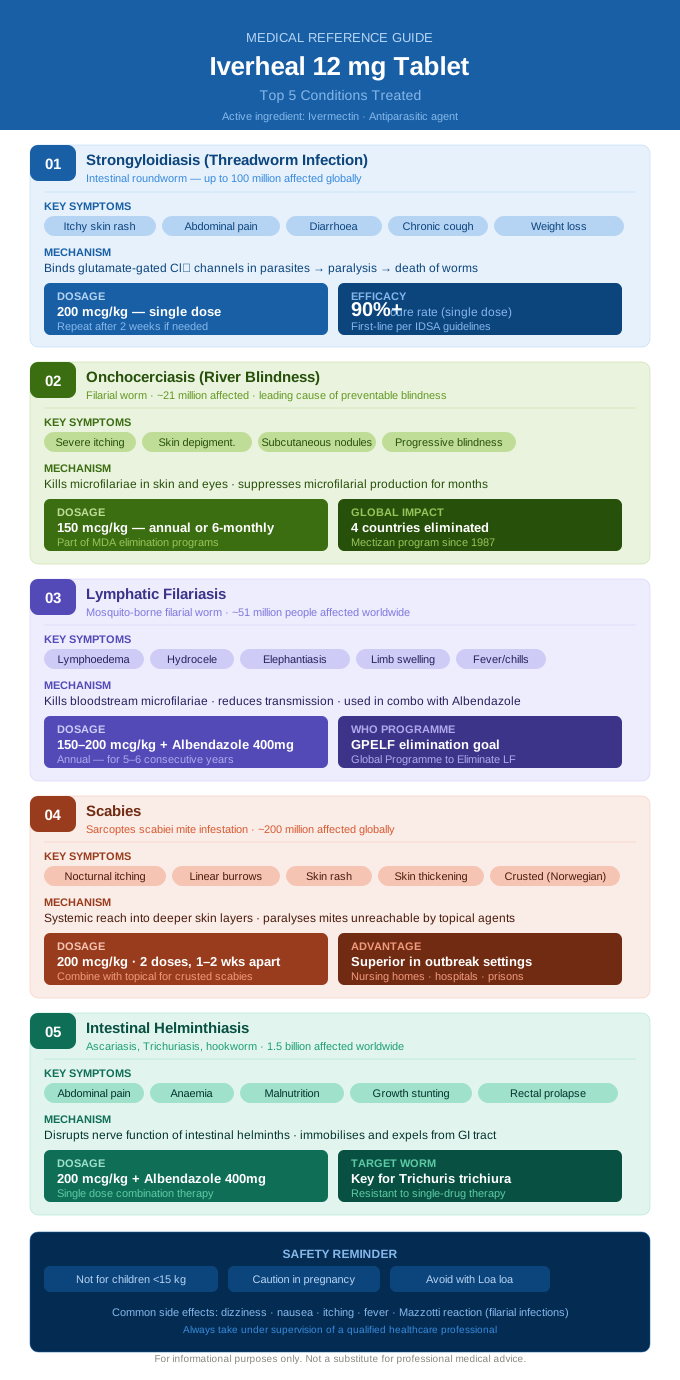
Medical Refrence guide :
1. Strongyloidiasis (Threadworm Infection)
Strongyloidiasis is an infection caused by a tiny parasitic worm called Strongyloides stercoralis. This infection mainly affects the intestines and is one of the common reasons doctors prescribe Iverheal 12 mg.
It is very common in warm regions like tropical and subtropical countries, and millions of people around the world are affected by it.
What makes this infection different from many others is that the parasite can live and multiply inside the same person without needing to leave the body. This is called “autoinfection.” Because of this, the infection can last for a long time and may become serious or even dangerous if not treated properly.
Symptoms & Clinical Presentation
- Larva currens: a rapidly moving, itchy skin rash caused by larval migration
- Intermittent abdominal pain, bloating, diarrhea, and nausea
- Chronic cough or wheezing due to pulmonary larval migration (Loeffler syndrome)
- Weight loss and malnutrition in chronic cases
- Hyperinfection syndrome in immunocompromised individuals (potentially fatal)
How Iverheal 12 mg Tablet Works
Ivermectin, the active ingredient in Iverheal 12 mg tablet, disrupts the nerve and muscle function of Strongyloides larvae and adult worms by binding to glutamate-gated chloride channels. This leads to increased permeability, paralysis, and eventual death of the parasites. The recommended dose is a single oral dose of Iverheal 12 mg, repeated after two weeks if necessary. For hyperinfection or disseminated disease, repeated doses may be required.
Efficacy
Clinical studies have consistently demonstrated cure rates exceeding 90% with a single dose of Ivermectin 12 mg for uncomplicated strongyloidiasis, making it the first-line treatment recommended by international guidelines including the Infectious Diseases Society of America (IDSA).
2. Onchocerciasis (River Blindness)
Onchocerciasis, commonly known as river blindness, is a parasitic disease caused by the filarial worm Onchocerca volvulus, transmitted through the bites of blackflies (Simulium species) that breed near fast-flowing rivers. It is a leading cause of preventable blindness worldwide, affecting approximately 21 million people, with the vast majority living in sub-Saharan Africa. Iverheal 12 mg tablet is a cornerstone treatment in mass drug administration (MDA) programs aimed at controlling and eliminating onchocerciasis.
Symptoms & Clinical Presentation
- Severe, persistent itching (onchodermatitis) — one of the most debilitating symptoms
- Skin depigmentation (leopard skin) and thickened, lizard-like skin
- Subcutaneous nodules (onchocercomas) containing adult worms
- Progressive visual impairment leading to permanent blindness
- Lymphadenopathy and musculoskeletal pain
How Iverheal 12 mg Tablet Works
Ivermectin in Iverheal 12 mg tablet acts primarily against the microfilariae (larval stage) of O. volvulus, causing their death and clearance from the skin and eyes. While it does not kill adult worms, it suppresses microfilarial production for months. Treatment typically involves a single annual or semi-annual dose of Ivermectin, dosed by body weight. The standard dose for onchocerciasis is 150 mcg/kg, which for most adults corresponds to one Iverheal 12 mg tablet.
Global Impact
The Mectizan Donation Program, in partnership with the WHO, has distributed billions of Ivermectin doses since 1987, dramatically reducing the burden of river blindness. Some countries, including Colombia, Ecuador, Mexico, and Guatemala, have achieved verified elimination of onchocerciasis transmission, largely due to Ivermectin-based MDA programs.
3. Lymphatic Filariasis
Lymphatic filariasis (LF), caused by the filarial worms Wuchereria bancrofti, Brugia malayi, and Brugia timori, is a major neglected tropical disease transmitted by mosquitoes. It affects approximately 51 million people worldwide and is the leading cause of acquired disability in endemic regions. The disease can cause severe and disfiguring conditions including lymphedema (swelling of limbs) and hydrocele (accumulation of fluid in the scrotum). Iverheal 12 mg tablet is used as part of combination therapy for LF elimination programs.
Symptoms & Clinical Presentation
- Acute episodes of fever, chills, and malaise (acute adenolymphangitis)
- Lymphedema of the legs, arms, or genitalia
- Hydrocele in affected men
- Elephantiasis in advanced, untreated cases
- Tropical pulmonary eosinophilia (cough, wheezing, elevated eosinophils)
How Iverheal 12 mg Tablet Works
In the context of lymphatic filariasis, Iverheal 12 mg tablet is used in combination with other antiparasitic drugs. The WHO recommends either Ivermectin + Albendazole or Diethylcarbamazine (DEC) + Albendazole depending on co-endemicity with onchocerciasis. Ivermectin acts by killing microfilariae circulating in the bloodstream, reducing their density and thereby limiting transmission by mosquitoes. Annual mass drug administration using this regimen is the backbone of the WHO’s Global Programme to Eliminate Lymphatic Filariasis (GPELF).
Treatment Protocol
The standard regimen involves a single annual oral dose of Iverheal 12 mg combined with Albendazole 400 mg for at least 5 to 6 consecutive years in endemic communities. In areas without onchocerciasis, DEC may replace Ivermectin in the regimen.
4. Scabies
Scabies is a highly contagious parasitic skin infestation caused by the mite Sarcoptes scabiei var. hominis. It is a significant public health problem, affecting approximately 200 million people worldwide at any given time and disproportionately impacting communities with limited access to healthcare, poor sanitation, and overcrowded living conditions. Scabies causes intense itching and a characteristic skin rash, and can lead to secondary bacterial infections if left untreated. The Iverheal 12 mg tablet is increasingly being used as a systemic treatment for scabies, especially in cases of crusted (Norwegian) scabies.
Symptoms & Clinical Presentation
- Intense, nocturnal itching — the hallmark symptom — caused by mite burrowing
- Characteristic linear burrows visible in the skin (often between fingers, wrists, genitalia)
- Papular, vesicular, or pustular rash, particularly in skin folds
- Crusted (Norwegian) scabies: thick, widespread crusts containing thousands of mites, seen in immunocompromised individuals
- Secondary bacterial superinfection (impetigo) — a risk factor for glomerulonephritis and rheumatic heart disease
How Iverheal 12 mg Tablet Works
Oral Ivermectin (Iverheal 12 mg) provides a systemic approach to treating scabies, reaching mites in deeper skin layers that topical treatments like permethrin may miss. Ivermectin kills mites by paralysing their neuromuscular system. The recommended dosage is 200 mcg/kg as a single oral dose, typically repeated after 1 to 2 weeks. For crusted scabies, multiple doses combined with topical therapy are required.
Advantages Over Topical Treatments
Oral Iverheal 12 mg is particularly valuable in outbreak settings, institutional outbreaks (nursing homes, prisons, hospitals), and in crusted scabies where it has shown superior efficacy compared to topical permethrin alone. Its ease of administration (a single tablet) also improves compliance compared to full-body topical applications.
5. Intestinal Helminthiasis (Ascariasis, Trichuriasis, and Other Intestinal Worm Infections)
Soil-transmitted helminth (STH) infections collectively affect over 1.5 billion people worldwide and represent one of the most prevalent groups of infections in low- and middle-income countries. These infections are caused by parasitic roundworms including Ascaris lumbricoides (roundworm), Trichuris trichiura (whipworm), and hookworm species (Necator americanus, Ancylostoma duodenale). While Ivermectin is not the first-line treatment for all STH infections, Iverheal 12 mg tablet has demonstrated significant efficacy against Trichuris trichiura and is used as part of combination deworming strategies.
Symptoms & Clinical Presentation
- Abdominal pain, cramping, diarrhea, and bloating
- Iron-deficiency anemia due to hookworm blood loss
- Malnutrition, stunted growth, and cognitive impairment in children with chronic heavy infections
- Rectal prolapse in heavy Trichuris infection
- Loeffler syndrome (transient pulmonary eosinophilia) during larval migration through the lungs
How Iverheal 12 mg Tablet Works
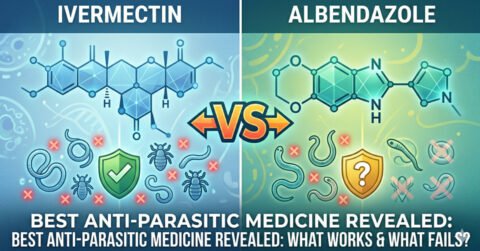
For intestinal helminthiasis, Iverheal 12 mg is typically used in combination with albendazole or mebendazole for synergistic effect, particularly for Trichuris trichiura which is notoriously resistant to single-drug therapy. Ivermectin disrupts the nerve function of intestinal helminths, causing immobilisation and expulsion from the gastrointestinal tract. The combination of Ivermectin 200 mcg/kg + Albendazole 400 mg has been shown in clinical trials to significantly improve cure rates and egg reduction rates for Trichuris infection compared to albendazole monotherapy.
Public Health Role
Preventive chemotherapy (PC) programs endorsed by the WHO target school-age children and pre-school children in endemic areas using periodic mass drug administration. Ivermectin is included in triple-drug combination regimens being evaluated for accelerated STH control, especially in settings co-endemic with filariasis.
Dosage Summary and Important Safety Considerations
The following table provides a quick reference for the use of Iverheal 12 mg tablet across the five major conditions discussed in this article:
| Condition | Dose | Frequency | Notes |
| Strongyloidiasis | 200 mcg/kg | Single dose; repeat in 2 weeks if needed | First-line treatment; >90% cure rate |
| Onchocerciasis | 150 mcg/kg | Annual or semi-annual | Does not kill adult worms |
| Lymphatic Filariasis | 150-200 mcg/kg | Annual (combined with Albendazole) | MDA program; 5-6 year course |
| Scabies | 200 mcg/kg | Two doses, 1-2 weeks apart | Combine with topical for crusted scabies |
| Intestinal Helminths | 200 mcg/kg | Single dose (with Albendazole) | Best for Trichuris; combination therapy |
Contraindications, Precautions & Side Effects
Who Should NOT Take Iverheal 12 mg Tablet?
- Patients with known hypersensitivity to Ivermectin or any excipients
- Children weighing less than 15 kg (consult a physician for appropriate dosing)
- Pregnant women — classified as FDA Pregnancy Category C; use only when clearly needed
- Patients with Loa loa co-infection (risk of serious neurological adverse events)
- Patients with severely impaired liver function
Common Side Effects
Most side effects of Iverheal 12 mg tablet are mild, transient, and related to the immune response triggered by dying parasites (Mazzotti reaction for onchocerciasis) rather than direct drug toxicity:
- Dizziness, headache, and fatigue
- Nausea, vomiting, abdominal discomfort, and diarrhea
- Skin rash, itching, and urticaria
- Fever and chills (particularly in filarial infections)
- Transient hypotension and tachycardia
Drug Interactions
- Warfarin: Ivermectin may enhance the anticoagulant effect — INR monitoring is recommended
- CNS depressants: Avoid concurrent use as Ivermectin may enhance sedative effects
- P-glycoprotein inhibitors (e.g., ketoconazole): May increase Ivermectin plasma levels
Conclusion
The Iverheal 12 mg tablet, containing Ivermectin as its active ingredient, is an invaluable antiparasitic medicine that has transformed the management of several debilitating and potentially life-threatening parasitic infections. From strongyloidiasis and river blindness to scabies and lymphatic filariasis, the Iverheal 12 mg tablet has proven its efficacy and safety in decades of clinical use and global public health programs.
Its role in WHO-endorsed mass drug administration programs has contributed to the dramatic reduction — and in some regions, elimination — of diseases that once caused irreversible blindness, disfigurement, and chronic disability in millions of people. As a single-dose oral therapy with a well-established safety profile, the Iverheal 12 mg tablet remains one of the most important tools available to clinicians treating parasitic disease.
However, as with all prescription medications, the Iverheal 12 mg tablet should only be taken under the supervision of a qualified healthcare professional who can ensure accurate diagnosis, appropriate dosing, and monitoring for any adverse reactions. Patients are encouraged to discuss their full medical history, current medications, and any concerns with their physician before commencing treatment.
Medical Disclaimer: This article is intended for informational and educational purposes only and does not constitute medical advice. The information provided about Iverheal 12 mg tablet should not be used to self-diagnose or self-treat. Always consult a qualified healthcare professional before starting, changing, or stopping any medication. Individual medical conditions, drug interactions, and contraindications vary only a licensed physician can determine the appropriate treatment for your specific situation.