

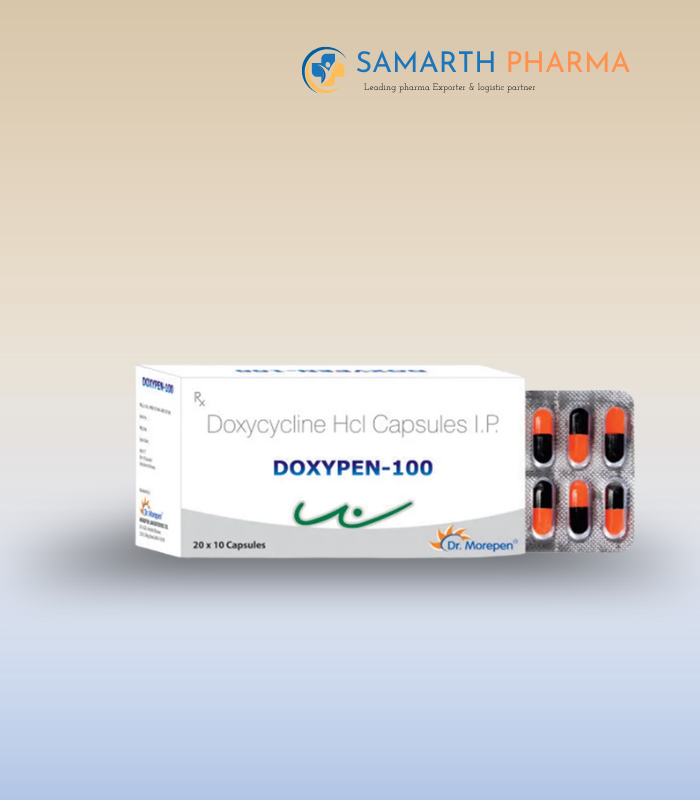

Doxycycline 100 mg: Uses, Benefits, Dosage, Side Effects, and Complete Guide
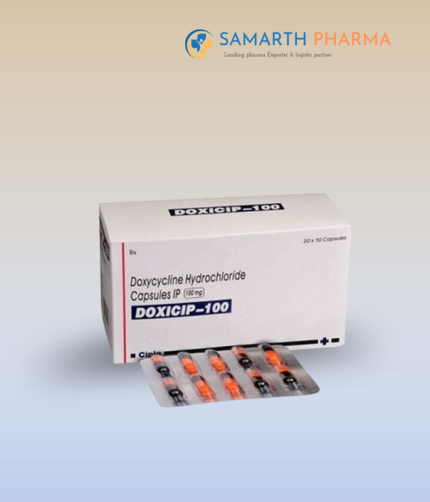
Doxycycline 100 mg is one of the most commonly prescribed antibiotics worldwide. It belongs to the tetracycline class of antibiotics and is used to treat a wide range of bacterial infections. Doctors prescribe Doxycycline 100 mg for respiratory infections, skin infections, sexually transmitted infections (STIs), urinary tract infections, acne, Lyme disease, malaria prevention, and several other bacterial conditions.
What is Doxycycline 100 mg?
Doxycycline 100 mg is a prescription antibiotic that works by preventing bacteria from producing proteins necessary for their growth. Without these proteins, bacteria cannot multiply, allowing your immune system to eliminate the infection.
Unlike antiviral medications, Doxycycline does not work against viruses such as the common cold, influenza (flu), or COVID-19. It is effective only against bacterial infections that are susceptible to doxycycline.
Generic Name
Doxycycline
Drug Class
- Tetracycline Antibiotic
Available Strengths
- Doxycycline 50 mg
- Doxycycline 100 mg
- Doxycycline 150 mg
- Doxycycline 200 mg
Among these, Doxycycline 100 mg tablets are the most frequently prescribed dosage.
Uses of Doxycycline 100 mg
Doctors prescribe Doxycycline 100 mg to treat numerous bacterial infections.
1. Respiratory Tract Infections
Doxycycline is commonly used to treat:
- Pneumonia
- Bronchitis
- Sinus infections
- Chest infections
- Walking pneumonia
It helps eliminate bacteria responsible for these respiratory illnesses.
2. Acne Treatment
Many dermatologists prescribe Doxycycline 100 mg for moderate to severe acne.
Benefits include:
- Reduces acne-causing bacteria
- Decreases skin inflammation
- Prevents new pimples
- Improves severe cystic acne
Treatment may continue for several weeks or months depending on the severity.
3. Skin Infections
Doxycycline effectively treats bacterial skin infections including:
- Cellulitis
- Infected wounds
- Rosacea
- Boils
- Abscesses
4. Sexually Transmitted Infections (STIs)
Doxycycline 100 mg is frequently prescribed for:
- Chlamydia
- Pelvic inflammatory disease (PID)
- Certain cases of gonorrhea (as part of combination therapy)
- Syphilis (when penicillin cannot be used)
Always follow your healthcare provider’s treatment plan.
5. Lyme Disease
Doxycycline is considered one of the first-line treatments for early Lyme disease.
Benefits include:
- Prevents complications
- Reduces joint pain
- Helps eliminate Borrelia bacteria
- Lowers the risk of long-term symptoms
6. Urinary Tract Infections (UTIs)
Some bacterial UTIs respond well to Doxycycline, particularly when the infecting bacteria are susceptible to it.
7. Malaria Prevention
Travelers visiting malaria-prone regions may be prescribed Doxycycline 100 mg.
It is usually started before travel, continued during the trip, and taken for a period after leaving the malaria-risk area, as directed by a healthcare provider.
8. Eye Infections
Doctors sometimes prescribe Doxycycline for:
- Blepharitis
- Ocular rosacea
- Eye inflammation associated with bacterial infection
How Does Doxycycline 100 mg Work?
Doxycycline stops bacteria from making essential proteins needed for survival and reproduction. This slows bacterial growth, allowing the body’s immune system to clear the infection.
Because it targets bacteria rather than viruses, it should only be used when prescribed for bacterial infections.
Doxycycline 100 mg Dosage
The appropriate dose depends on the infection being treated, your age, kidney and liver function, and other medical factors.
Typical adult dosing often involves:
- One or two doses per day, depending on the condition.
- Duration can range from several days to several weeks.
Never change your dosage without medical advice.
How to Take Doxycycline 100 mg
For best results:
- Take exactly as prescribed.
- Swallow the tablet or capsule with a full glass of water.
- Remain upright for at least 30 minutes after taking it to reduce irritation of the esophagus.
- It may be taken with food if stomach upset occurs, unless your healthcare provider advises otherwise.
- Take doses at the same time each day.
- Complete the full course, even if you start feeling better.
Benefits of Doxycycline 100 mg
Doxycycline offers several advantages:
- Broad-spectrum antibiotic
- Effective against many bacterial infections
- Commonly used for acne management
- Can help prevent malaria in travelers
- Usually taken once or twice daily
- Available as a generic medication
- Well-established safety profile when used appropriately
Common Side Effects of Doxycycline 100 mg
Like all medicines, Doxycycline may cause side effects.
Common side effects include:
- Nausea
- Vomiting
- Diarrhea
- Stomach discomfort
- Loss of appetite
- Mild headache
- Increased sensitivity to sunlight (photosensitivity)
These effects are often mild but should be discussed with a healthcare provider if they become severe or persistent.
Serious Side Effects
Seek medical attention immediately if you experience:
- Severe allergic reaction
- Difficulty breathing
- Swelling of the face, lips, tongue, or throat
- Severe skin rash or blistering
- Persistent or severe diarrhea
- Vision changes
- Severe headache with vomiting
Although uncommon, these reactions require prompt evaluation.
Who Should Not Take Doxycycline?
Doxycycline may not be appropriate for everyone.
Tell your healthcare provider if you:
- Have an allergy to doxycycline or tetracycline antibiotics
- Have severe liver disease
- Are pregnant or planning pregnancy
- Are breastfeeding
- Have difficulty swallowing or a history of esophageal disorders
Use in young children is generally limited because tetracycline antibiotics can affect developing teeth and bones, except in specific situations where the benefits outweigh the risks.
Drug Interactions
Certain medicines and supplements can affect how Doxycycline works.
Examples include:
- Antacids containing aluminum, calcium, or magnesium
- Iron supplements
- Zinc supplements
- Bismuth-containing products
- Some seizure medications
- Certain blood-thinning medications
Take these products at different times from Doxycycline if advised by your healthcare provider.
Foods to Avoid
Some foods and supplements may reduce Doxycycline absorption.
Consider:
- Taking dairy products several hours apart if advised.
- Avoiding calcium, magnesium, iron, or zinc supplements close to your dose.
- Limiting excessive alcohol intake, as it may affect overall health and medication adherence.
Follow your prescriber’s instructions regarding timing.
Doxycycline During Pregnancy
Doxycycline is generally not recommended during pregnancy, particularly later in pregnancy, because it may affect fetal tooth and bone development.
If you become pregnant while taking Doxycycline, contact your healthcare provider promptly.
Doxycycline While Breastfeeding
Small amounts of Doxycycline can pass into breast milk. Whether it is appropriate depends on the situation and treatment duration.
Always discuss risks and benefits with your healthcare provider before using it while breastfeeding.
Missed Dose
If you miss a dose:
- Take it when you remember.
- If it is nearly time for the next scheduled dose, skip the missed dose.
- Do not take two doses at the same time unless instructed by your healthcare provider.
Overdose
An overdose may increase the risk of side effects.
If an overdose is suspected, seek emergency medical attention or contact your local poison control center immediately.
Storage Instructions
Store Doxycycline:
- At room temperature.
- Away from moisture and direct sunlight.
- Out of reach of children and pets.
- In its original container unless instructed otherwise.
Do not use expired medication.
Frequently Asked Questions
1 ) How long does Doxycycline 100 mg take to work?
Ans : Many people begin to notice improvement within a few days, but it is important to finish the full prescribed course even if symptoms improve sooner.
2 ) Can I drink alcohol while taking Doxycycline?
Ans : Moderate alcohol may not directly interact with Doxycycline, but heavy alcohol use can reduce treatment effectiveness and may increase certain risks. Discuss alcohol use with your healthcare provider.
3 ) Can Doxycycline treat COVID-19?
Ans : No. Doxycycline is not a treatment for COVID-19 itself. It should only be used when prescribed for a confirmed or suspected bacterial infection.
4 ) Can Doxycycline be used for acne?
Ans : Yes. Dermatologists commonly prescribe Doxycycline 100 mg for inflammatory acne as part of a broader treatment plan.
5 ) Does Doxycycline cause sun sensitivity?
Ans : Yes. Doxycycline can increase sensitivity to sunlight. Use sunscreen, wear protective clothing, and avoid prolonged sun exposure while taking the medication.
6 ) Can I stop taking Doxycycline when I feel better?
Ans : No. Stopping antibiotics early can allow bacteria to survive and contribute to antibiotic resistance. Complete the full course unless your healthcare provider tells you otherwise.
Tips for Safe Use
To get the best results:
- Take the medication exactly as prescribed.
- Finish the entire course.
- Drink plenty of water with each dose.
- Avoid lying down immediately after taking it.
- Protect your skin from excessive sunlight.
- Inform your healthcare provider about all medicines and supplements you use.
- Keep follow-up appointments if your treatment lasts for an extended period.
Conclusion
Doxycycline 100 mg is a widely used and effective antibiotic for treating a variety of bacterial infections, including respiratory infections, skin infections, acne, Lyme disease, certain sexually transmitted infections, and more. When taken as directed by a healthcare provider, it can help clear infections and prevent complications.
Because antibiotics should be used responsibly, never take Doxycycline without a prescription or share it with others. Always complete the prescribed treatment course and consult a healthcare professional if you experience severe side effects or your symptoms do not improve.


Reviews
There are no reviews yet.