Table of Contents
ToggleShort Answer
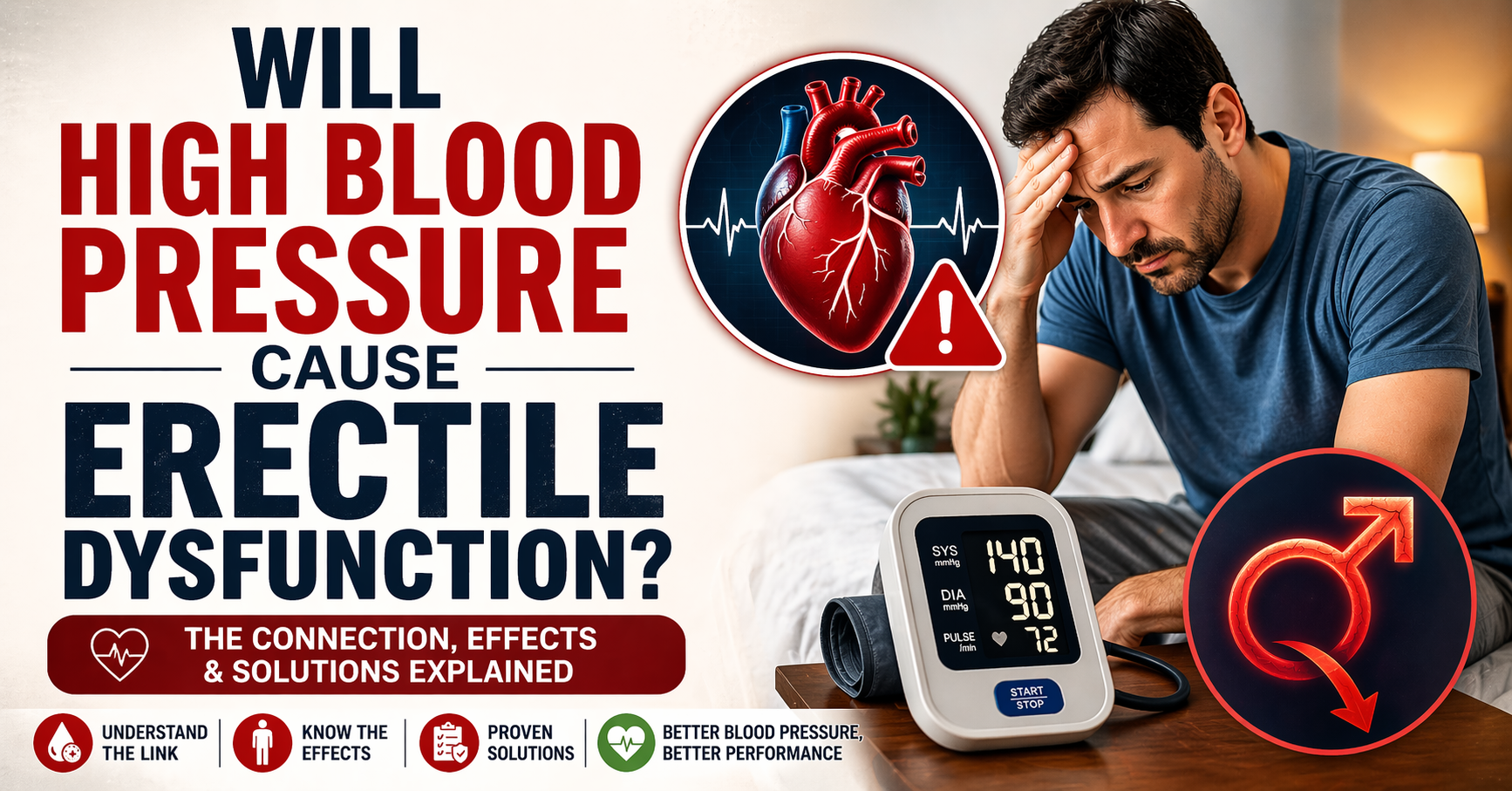
Yes — high blood pressure can absolutely cause erectile dysfunction.
In fact, hypertension is one of the most common hidden causes of ED in men. The good news? Once you treat the blood pressure, erections often improve too.
What Is High Blood Pressure (Hypertension)?
High blood pressure also called hypertension or HBP means the force of blood pushing against your artery walls is too high, too often.
It is measured in two numbers, like 130/80 mmHg. Most doctors consider anything above 130/80 mmHg to be high.
The scary part? Most people with high blood pressure feel nothing. No headache, no warning. That is why it is called the “silent killer.” But while you feel fine, the damage inside your blood vessels is already building up — including the ones responsible for erections.
Will High Blood Pressure Cause ED? Here's the Truth
Men with hypertension are twice as likely to experience erectile dysfunction compared to men with normal blood pressure.
An erection works like this: when you are aroused, your brain signals the arteries in the penis to relax and open, allowing blood to flow in.
With high blood pressure:
- Arteries become stiff and narrow
- Blood flow is reduced
- The penis does not receive enough blood
Result: weak erection or no erection.
This is why hypertension and ED are closely linked — it’s a physical blood flow issue, not just stress or age.
How Does High Blood Pressure Affect a Man Sexually?
High blood pressure affects more than just erections. It impacts overall sexual health:
-
Weak or No Erection
Reduced blood flow makes it hard to achieve or maintain firmness.
-
Low Sex Drive
High BP may reduce testosterone over time.
-
Ejaculation Problems
Blood flow and nerve issues can affect performance.
-
Anxiety & Confidence Issues
Repeated ED can lead to performance anxiety.
Conclusion: High blood pressure affects a man sexually in multiple ways — and it’s a real medical condition, not psychological alone.
Does High Blood Pressure Affect Erections Immediately?
Both short-term and long-term effects exist.
- Short-term: temporary BP spikes can reduce performance
- Long-term: permanent artery damage leads to ongoing ED
Think of it like a narrow pipe — less flow means weaker output.
⚠️ Important:
ED can be an early warning sign of heart disease. If you have both ED and high BP, consult a doctor.
Blood Pressure Medications and ED
Medicines That May help :
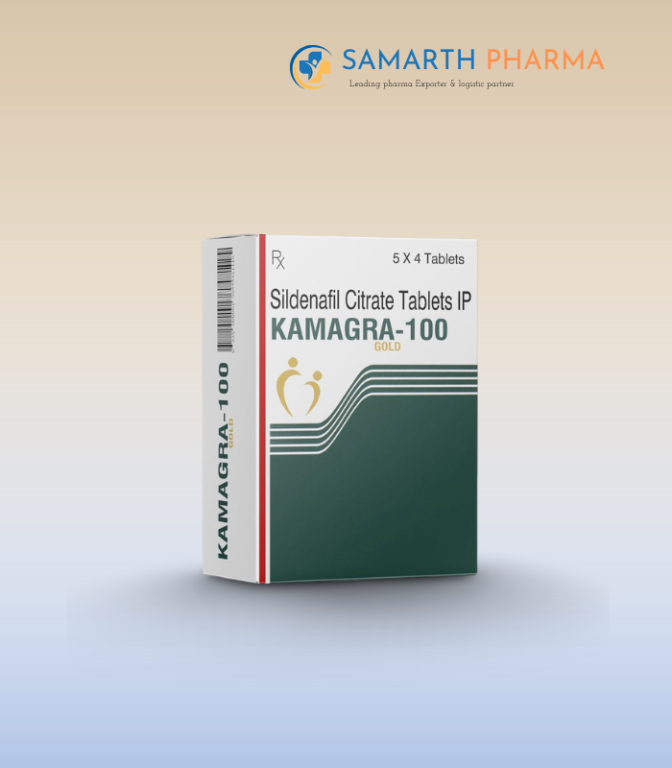
Some BP medications may worsen ED, while others may not.
May Worsen ED:
- Beta-blockers (e.g., metoprolol)
- Older diuretics
- Clonidine
- Spironolactone
Less Likely to Affect ED:
- ACE inhibitors
- ARBs (like losartan — may help)
- Calcium channel blockers
- Alpha-blockers
Important: Never stop medication without medical advice.
Can You Fix ED If You Have High Blood Pressure?
Yes — in most cases, it is manageable.
-
Control Your Blood Pressure
Better BP = better blood flow = improved erections.
-
Lifestyle Changes
- Exercise regularly
- Reduce salt intake
- Lose weight
- Quit smoking
- Limit alcohol
- Manage stress
-
ED Medications
Drugs like sildenafil or tadalafil can help — but avoid them if you take nitrate medicines.
- Review Your BP Medication
Switching medication can significantly improve sexual function.
Signs Your ED May Be Caused by High Blood Pressure
- Gradual onset of ED
- Weak or missing morning erections
- Known high blood pressure
- Smoking, obesity, or diabetes
- Age above 40 with worsening symptoms
- ED medication not working well
If this sounds familiar, check your blood pressure.
Quick Summary
- High blood pressure is a major cause of ED
- It damages arteries and reduces blood flow
- It affects erections both short-term and long-term
- Some BP medications can worsen ED
- ED can improve with treatment and lifestyle changes
- It may signal underlying heart disease
The Bottom Line - High blood pressure and erectile dysfunction are deeply connected.
If you are experiencing ED and have high BP — or haven’t checked it — now is the time.
Treating blood pressure often improves sexual health. With the right lifestyle changes and medical guidance, both conditions can be managed effectively.
Medical Disclaimer
This article is for informational purposes only and does not constitute medical advice. Always consult a qualified healthcare professional before starting or stopping any treatment.